New and legacy systems coexisted.新旧系统并存。
New features needed to follow the updated design language while still living inside legacy product and code structures.新需求要遵循新版设计语言,但仍运行在旧版产品与代码结构中。
AI Product Design · Design SystemsAI 产品设计 · 设计系统
The design calls — what becomes a rule, what stays a one-off — were mine; the component, AI-rule, and token-lint system scaled them.哪些沉淀为规则、哪些只是一次性——这些判断由我做;组件、AI 规则与 token-lint 这套系统,把它规模化。
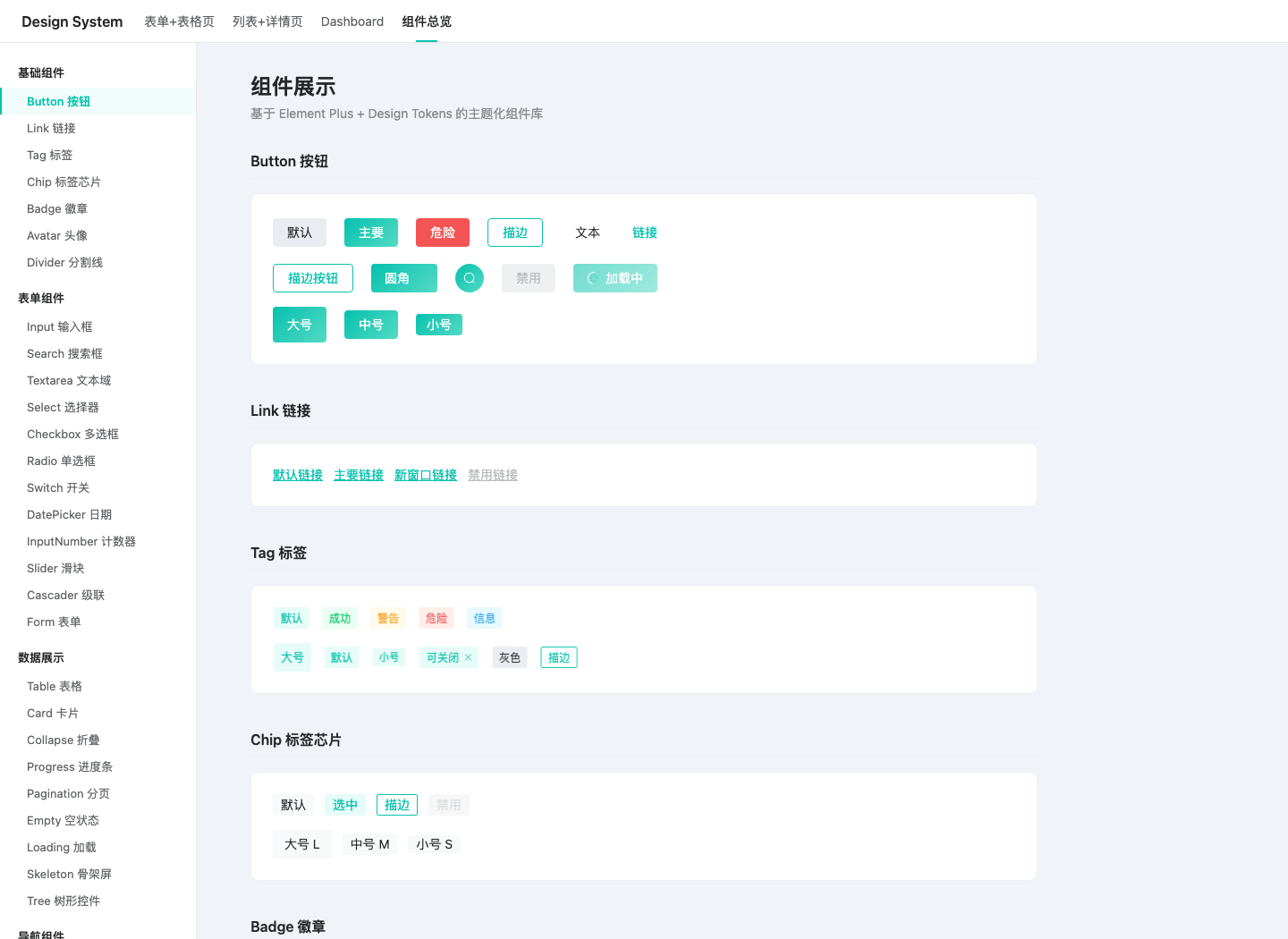
The product is a teacher-facing education platform, migrating to a newer design language while most pages still ran on the legacy one. The cost showed up downstream — teachers met visibly inconsistent pages, and the team couldn't roll out the new language at speed. The rules existed; what was missing was anything that kept them executable once a page left the design file. I built the system to close that gap — but the harder calls were design judgment: which drifts to encode as rules, and which to leave to a person. 这是一个面向教师的教育平台,正迁移到新版设计语言,但大量页面仍运行在旧版实现上。代价出现在下游——教师看到的是明显不一致的页面,团队也无法快速铺开新设计语言。规范本身已经存在;真正缺的,是一套能在页面离开设计稿后仍保证其被执行的机制。我搭建了一套系统来弥合这一缺口——但更难的判断在设计层面:哪些漂移应沉淀为规则,哪些应交由人来判断。
New features needed to follow the updated design language while still living inside legacy product and code structures.新需求要遵循新版设计语言,但仍运行在旧版产品与代码结构中。
A page could ship with approximate colors, off-token spacing, or inconsistent component usage even when the design system was clear.即使设计系统清楚,页面仍可能出现近似色、非 token 间距或组件用法不一致。
Generation made speed easier, but without executable constraints, it could not reliably follow the updated style or product patterns.AI 提高了搭建速度,但如果没有可执行约束,它无法稳定遵循新版风格和产品模式。
The workflow worked in two layers: one helped pages get built from rules; the other checked the output and fed issues back into the system. 这套流程分为两层:执行层负责按规则生成页面,审查层负责检查产物是否仍然符合规则,并把问题回流到系统中。
It also exposes missing components or token gaps before development starts. 它也能在开发前暴露缺失组件和 token 规则缺口。
Design tokens, component patterns, and interaction rules.设计 token、组件模式与交互规则。
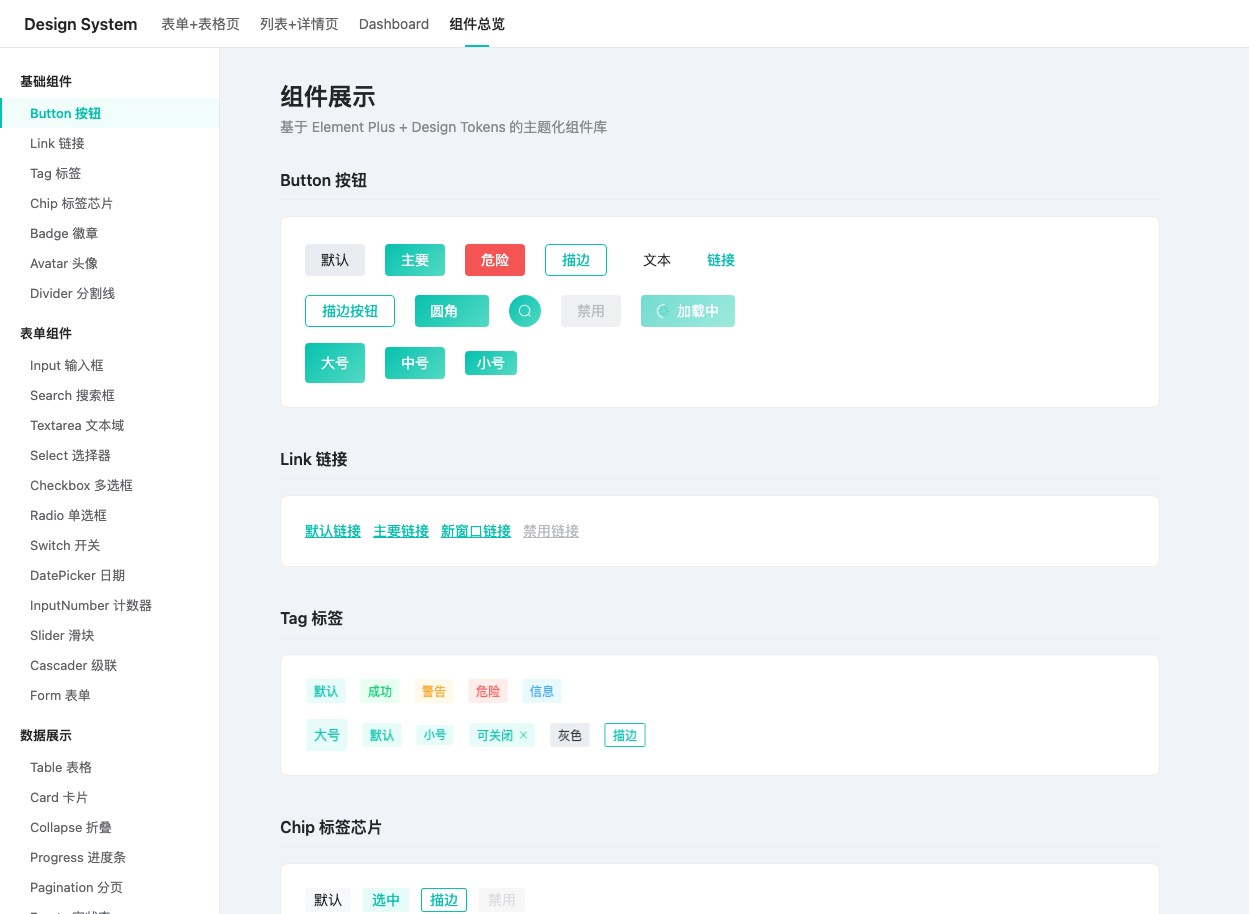
Vue3 components turn standards into reusable execution.Vue3 组件承接规范,让页面搭建可以复用。
AI Skill rules guide page structure and component choice.AI Skill 约束页面结构与组件选择。
token-lint checks runtime output and exports issues.token-lint 检查运行结果并导出问题。
This was not about redrawing components. I adapted legacy Vue2 assets into Vue3, documented component behavior, defined AI Skill rules, and built token-lint checks. 这不是重新画一套组件库,而是把旧版 Vue2 组件资产适配到 Vue3,并补充组件行为文档、AI Skill 规则和 token-lint 检查。
Connected the codebase, component package, AI generation, and runtime review into one shared rule system.连接代码仓、组件包、AI 生成和运行时审查,让各方基于同一套规则工作。
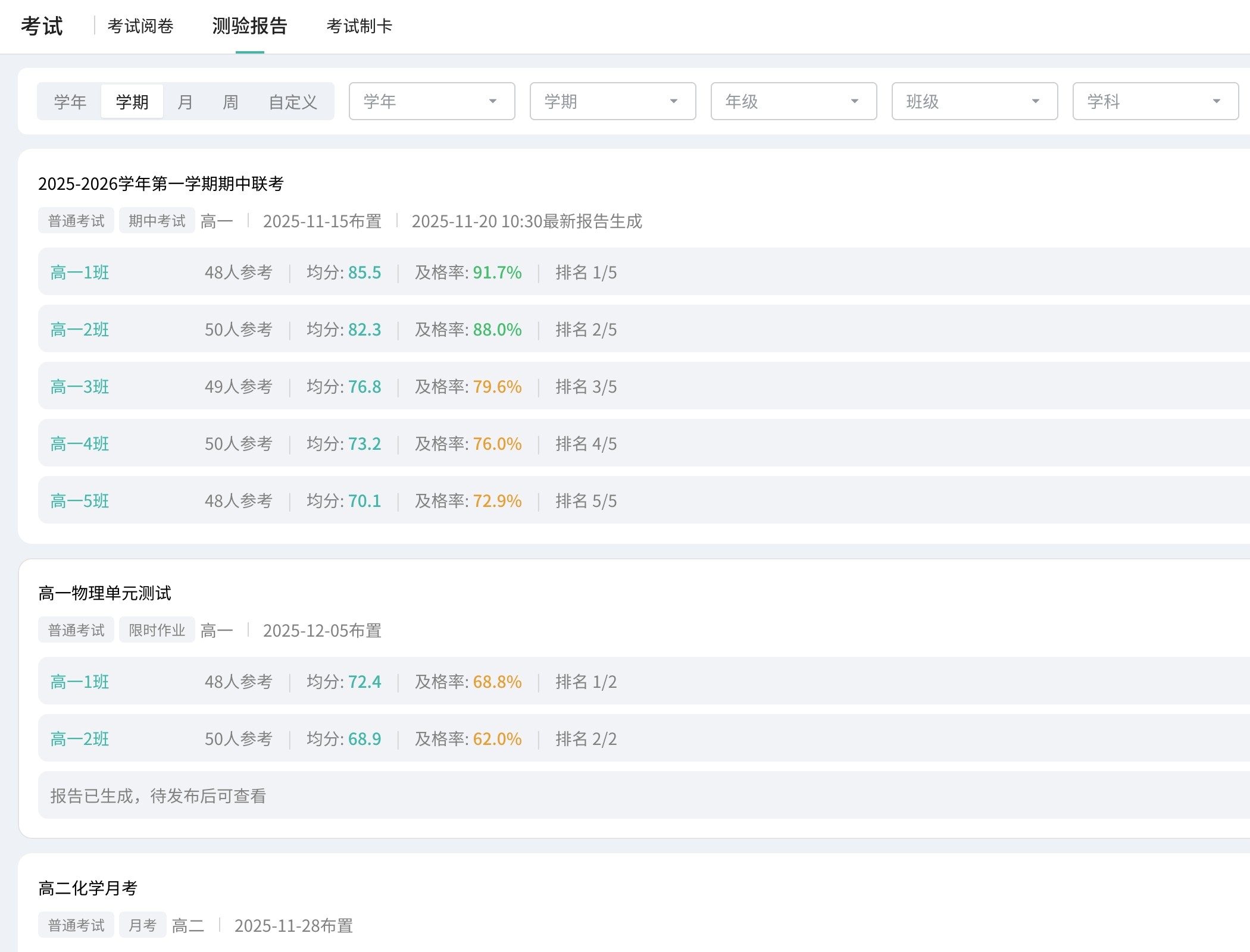
The Skill encodes rules that once lived in memory and were lost at handoff — two-decimal precision on ratios, domain-correct counting units, red (not green) for a rising rank, and a single navigation component.这套 Skill 把过去依赖记忆传递、易随人员变动流失的规则,固化成生成前的可执行约束——例如比率保留两位小数、计量单位用“题”而非“道”、排名上升用红色而非绿色、导航采用 SecondRouter。
Token rules turned colors, spacing, type, and states into values that could be checked after generation.Token 规则把颜色、间距、字号和状态转化为生成后可检查的数值。
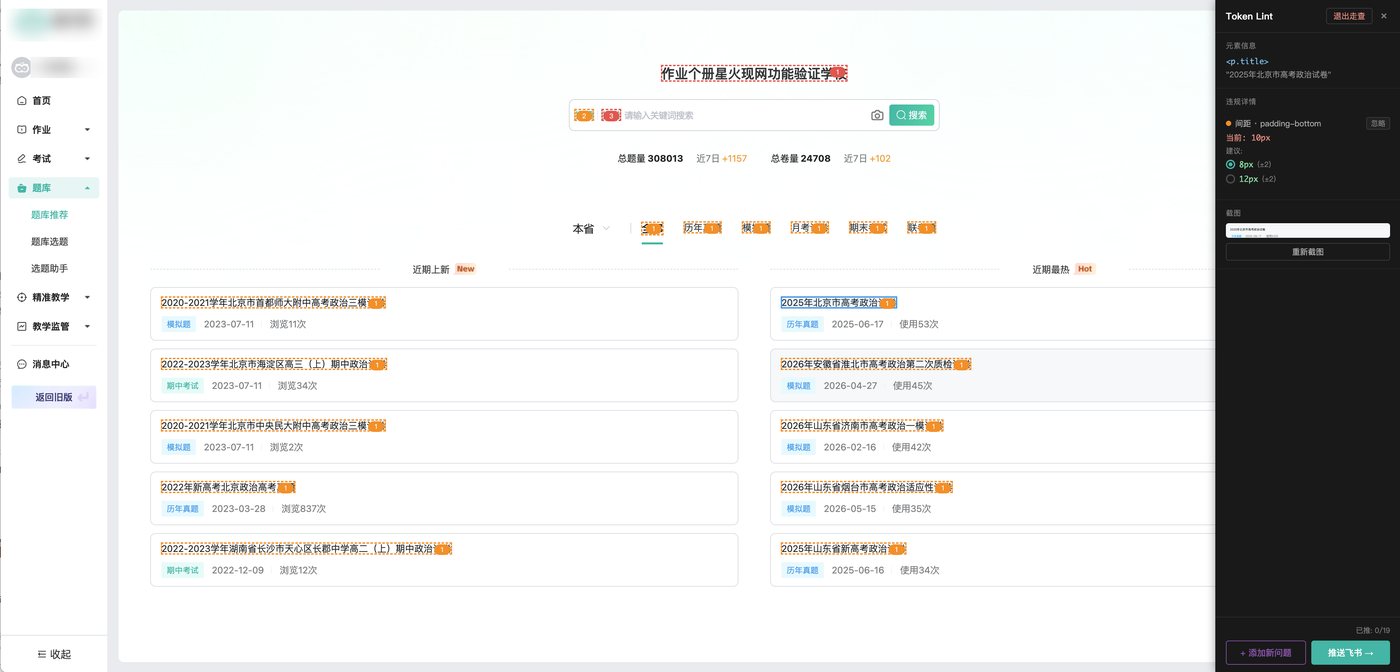
Fast generation was not enough. The review layer scans runtime CSS values, flags off-token usage, and turns issues into review records instead of relying on visual guesswork. Color checks use perceptual color difference (ΔE) to suggest the nearest token, returning an explainable value rather than a bare “violation.” 生成得快还不够。审查层会扫描运行时 CSS,识别非 token 用法,把问题记录下来,而不是只靠肉眼走查。颜色检测用 ΔE 感知色差匹配最接近的标准 token,给出可解释的建议值,而非仅标记“违规”。
10px padding-bottom issue is surfaced with 8px / 12px token suggestions.
这个图例中,工具识别出 padding-bottom 10px,并给出 8px / 12px 的 token 建议。
Violations export as handoff records for engineers — the review produces a fix list, not just a verdict. 违规项导出为开发可处理的交接记录——走查产出的是一份修复清单,而不只是一句结论。
token-lint answers one question — is this value in the token set? It doesn’t judge fidelity, check margins or gaps, read component semantics, or cover interaction states (third-party defaults and inherited styles need a human call, with per-item ignore as a fallback). The tool stops here; design judgment takes over. token-lint 只回答一个问题——“这个值是否在 token 集内”;它不判断还原度,不检查 margin/gap,不识别组件语义,也不覆盖交互状态(第三方默认色与继承样式需人工判断,并提供逐条忽略兜底)。工具止步于此,其后是设计判断。
token-lint can expose drift, but design judgment decides whether it is an implementation bug, a component gap, or a system-level update. token-lint 能暴露偏差,但设计判断决定它是单次实现问题、组件缺口,还是需要沉淀为系统规则。
Color, spacing, type size, radius, shadow, and line-height can be checked against runtime values. The design decision is whether the drift is a one-off implementation bug or a missing rule in the token system.颜色、间距、字号、圆角、阴影和行高可以通过运行时数值检查。设计判断在于:这是一次性的实现偏差,还是 token 体系中缺失的规则。
The review can expose inconsistent component usage. The designer still needs to judge whether the component semantics fit the workflow, or whether a business-specific pattern should be added.审查可以暴露组件使用不一致,但设计师仍需要判断组件语义是否匹配当前流程,或是否需要补充业务场景组件。
AI may generate a page that follows every surface rule but misses the product intent entirely — the gap isn't visual polish, it's the missing pattern underneath.AI 可能生成一个处处合规、却完全错过产品意图的页面——缺的不是视觉打磨,而是底层缺了一种范式。
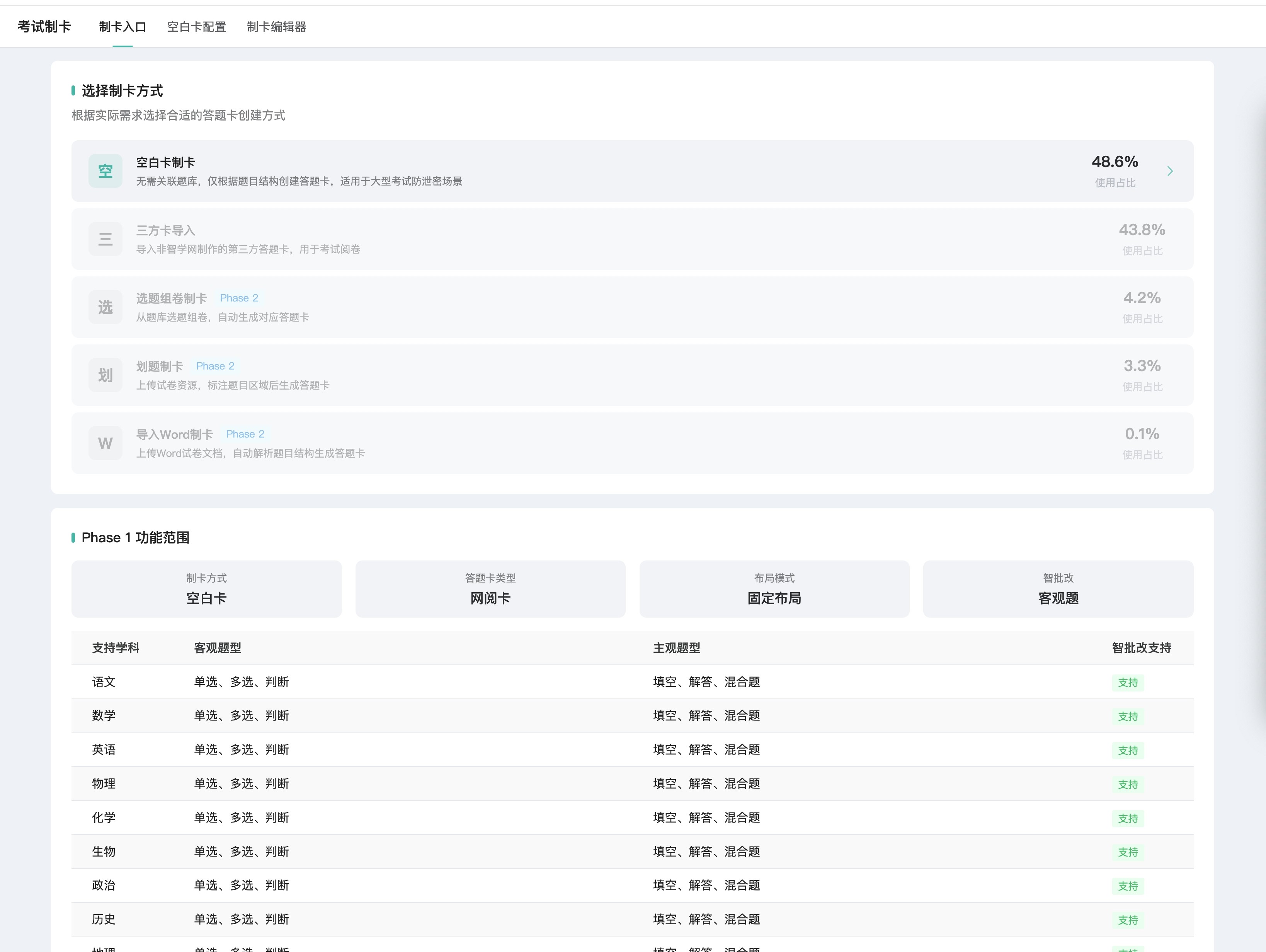
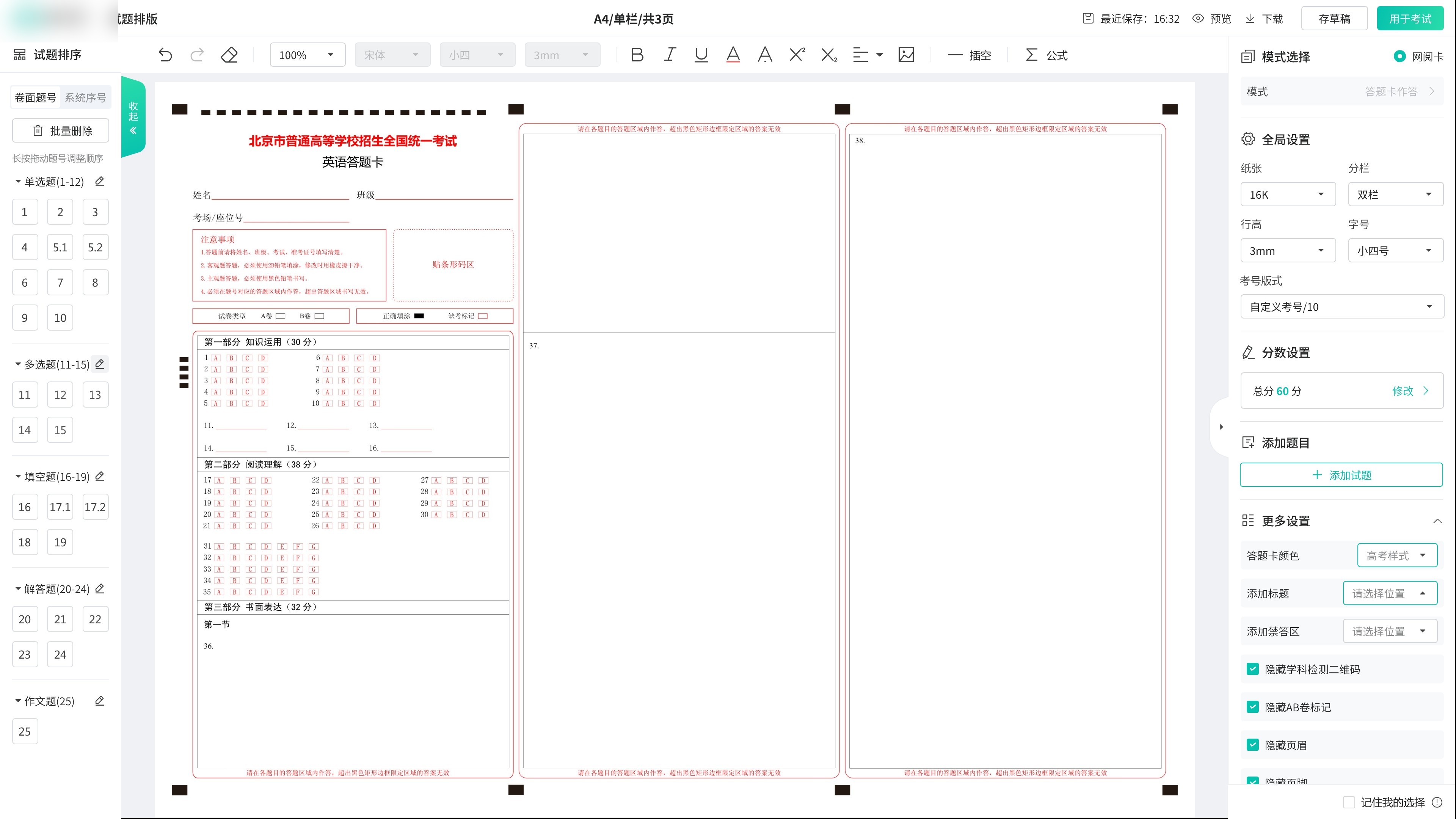
After designing an exam, a teacher still has to build its answer sheet — laying out each question's answer region, setting scores, and adding the marks that make it machine-scannable. AI returned a clean, on-style page — but an information one: methods and a support matrix, with no way to configure a sheet. It passed every style rule and did the wrong job. The call wasn't to polish it, but to see the requirement needed a configuration pattern — so I designed it, and it became components and rules. 老师设计完一场考试后,还要为它制作答题卡——逐题排布作答区、设置分值,并加上让它可被机器扫描的标记。AI 产出的是一个干净、合规的页面,却是一张信息页:罗列制卡方式与学科支持矩阵,无法真正配置一张卡。它通过了每一条样式规则,却做错了任务。判断不在于把它做漂亮,而在于看清需求要的是一种配置范式——于是我把它设计了出来,并沉淀为组件与规则。
The value was not a static component library. It was a workflow where design rules became implementation, AI constraints, and runtime review criteria. 这个项目的价值不在于静态组件库,而在于设计规则被转化为实现方式、AI 约束和运行时审查标准。
What it can actually do, honestly: when a requirement fits within about three pages and existing components cover it, the system generates a usable interaction draft directly. Past that line — more pages, or components that don't exist yet — the output isn't a usable draft, and a designer steps in. Naming that boundary was the point: the system carries the routine, so judgment goes where it counts. 它真正能做到的、坦白说:当需求在三页以内、且已有组件可覆盖时,系统能直接生成一份可用的交互稿;一旦越过这条线——页数更多,或所需组件尚不存在——产出就不再是可用的交互稿,需由设计师接手。划清这条边界本身才是关键:系统承担常规,判断去往真正重要的地方。
A recurring issue around transparent primary-color usage moved from manual judgment into the system: first evaluated by design semantics, then added to component guidance, and finally included in token-lint checks. 主色透明度在不同场景中的复用问题,从人工经验判断进入系统:先经过设计语义评估,再补进组件规范,最后加入 token-lint 检查。